


Blog
Why Do Frequent Infections Happen? Causes, Prevention & When Antibiotics Are Needed

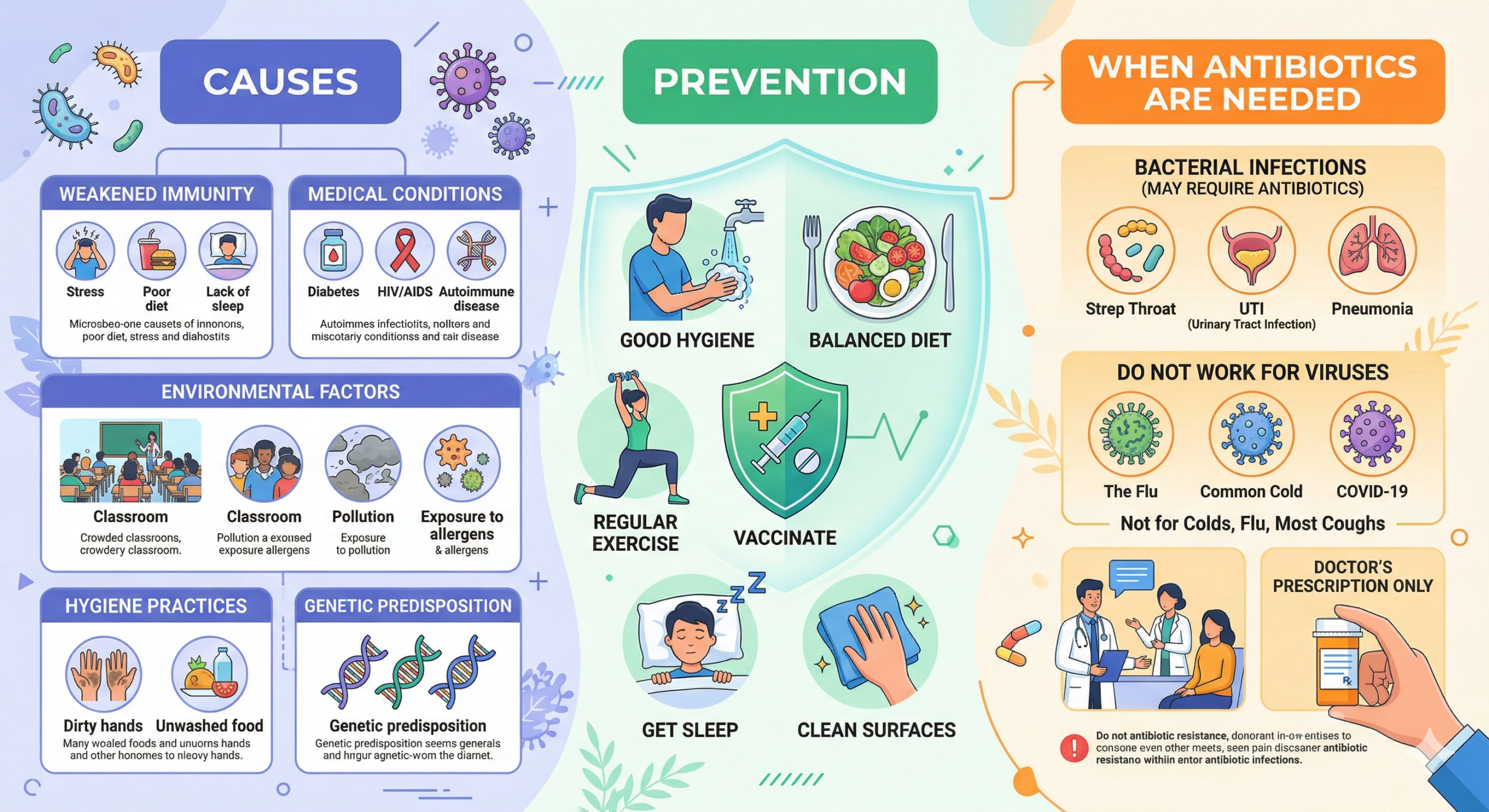
Frequent infections can be a sign that the body’s immune system is not functioning optimally or that certain underlying factors are increasing susceptibility to illness. While occasional infections are normal, repeated episodes of colds, throat infections, urinary infections, or skin infections should not be ignored.
Common Causes of Frequent Infections
One of the primary reasons for frequent infections is a weakened immune system. Poor nutrition, lack of sleep, stress, and sedentary lifestyle can reduce the body’s ability to fight off pathogens effectively.
Chronic conditions such as diabetes, anemia, or hormonal imbalances can also make individuals more prone to infections. In some cases, environmental factors like pollution, poor hygiene, or close contact in crowded places contribute to repeated exposure to bacteria and viruses.
Overuse or misuse of antibiotics can further weaken natural immunity and lead to antibiotic resistance, making infections harder to treat over time.
Role of Immunity
A strong immune system acts as the body’s first line of defense. When immunity is compromised, even minor infections can occur more frequently and take longer to recover. Nutritional deficiencies, especially of vitamins like Vitamin C, Vitamin D, and Zinc, can significantly impact immune health.
Prevention Strategies
Preventing frequent infections requires a combination of healthy lifestyle practices and hygiene habits:
- Maintain a balanced diet rich in vitamins and minerals
- Stay hydrated and get adequate sleep
- Practice regular hand hygiene
- Exercise regularly to boost immunity
- Avoid unnecessary use of antibiotics
- Manage stress effectively
Vaccinations also play a key role in preventing certain infections and should be taken as recommended by healthcare professionals.
When Are Antibiotics Needed?
Antibiotics are effective only against bacterial infections and should not be used for viral illnesses like the common cold or flu. Unnecessary use can lead to resistance, reducing their effectiveness in the future.
Antibiotics should be taken only when prescribed by a qualified doctor, after proper diagnosis. It is equally important to complete the full course of medication to ensure complete recovery and prevent recurrence.
When to Consult a Doctor
If infections occur frequently, are severe, or take longer than usual to heal, it is important to seek medical advice. Persistent infections may indicate an underlying health issue that requires proper evaluation and treatment.
Conclusion
Frequent infections are often a warning sign that the body needs better care or medical attention. By strengthening immunity, maintaining good hygiene, and using medications responsibly, individuals can reduce the risk of recurring infections and improve overall health.